
Uncovering the Hidden Dangers of Poor Craftsmanship in New Construction Homes
When you buy a new construction home, you expect everything to be perfect. After all, it’s brand new. But sometimes, what looks like good work on the surface can hide serious problems underneath. Poor craftsmanship in new homes can lead to costly repairs, safety risks, and a lot of stress for homeowners. Catching these issues early and having the builder fix them is the best way to protect your peace of mind and your wallet.
This post explores the hidden dangers of poor workmanship in new homes, why covering up problems can cause major damage, and how you can spot issues before they become expensive headaches.
Why Poor Craftsmanship Happens in New Construction
Builders often work under tight deadlines and budgets. Sometimes, this pressure leads to shortcuts or rushed work. Even with inspections, some problems slip through because they are hidden behind walls or under floors. Common causes of poor craftsmanship include:
Inexperienced workers who lack proper training
Using low-quality materials to cut costs
Rushed schedules that sacrifice attention to detail
Lack of thorough inspections during construction phases
These factors can cause defects that are not obvious during a quick walkthrough but can cause serious issues later.
Common Hidden Problems in New Homes
Many defects in new construction are not visible at first glance. Here are some common hidden problems that poor craftsmanship can cause:
Structural Issues
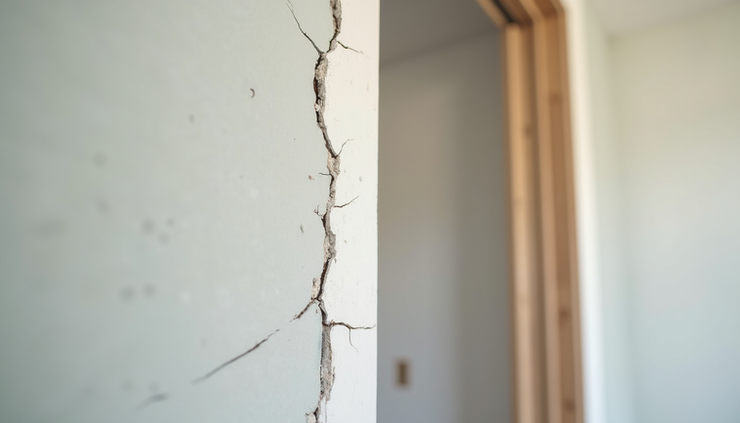
Improper framing can lead to uneven floors, cracked walls, or doors that don’t close properly.
Weak foundation work may cause settling or cracks that worsen over time.
Plumbing and Electrical Defects
Leaking pipes hidden behind walls can cause mold and water damage.
Poor electrical wiring can create fire hazards or cause frequent outages.
Insulation and Ventilation Problems
Insufficient insulation leads to higher energy bills and uncomfortable rooms.
Poor ventilation can cause moisture buildup, leading to mold growth and indoor air quality issues.
Finishing Flaws
Cracked drywall, uneven paint, or poorly installed flooring may seem cosmetic but often indicate rushed or careless work.
Windows and doors not sealed properly can cause drafts and water intrusion.
Why Covering Up Problems Is Dangerous
Builders might cover up defects to pass inspections or avoid costly repairs. This can include patching cracks without fixing the cause, hiding leaks, or ignoring faulty wiring. While this might seem like a quick fix, it only delays the problem.
Over time, these hidden issues can cause:
Major structural damage requiring expensive repairs
Health risks from mold or poor air quality
Increased utility bills due to energy loss
Reduced home value when problems become known
Ignoring or missing these problems during the warranty period means you could pay thousands out of pocket later.
How to Spot Hidden Problems Early
Early detection is key to avoiding costly repairs. Here are practical steps to catch issues before they get worse:
Conduct a Thorough Walkthrough
Check for uneven floors, cracks in walls, and doors or windows that don’t operate smoothly.
Look for water stains or damp spots on ceilings and walls.
Test faucets, toilets, and electrical outlets to ensure they work properly.
Hire a Professional Home Inspector
A qualified inspector can identify hidden defects that you might miss. They use tools like moisture meters and thermal cameras to detect leaks and insulation problems behind walls.
Request Builder Documentation
Ask for detailed records of inspections, materials used, and any repairs made during construction. Transparency helps you understand the quality of work done.
Use the Warranty Period Wisely
Most new homes come with a builder warranty. Use this time to report any issues and insist on repairs. Document everything in writing.
Real-Life Examples of Hidden Defects
A homeowner noticed a slight musty smell but ignored it. Months later, a hidden plumbing leak caused mold growth behind the drywall, costing over $15,000 to fix.
Another buyer found cracks in the garage floor. An inspection revealed foundation settling due to poor soil preparation, requiring expensive underpinning.
A family experienced frequent electrical outages. An electrician discovered faulty wiring installed during construction, which posed a fire risk.
These examples show how small signs can point to bigger problems.
Protecting Your Investment
Your home is likely the biggest investment you’ll make. Protect it by:
Being vigilant during the buying and inspection process
Demanding quality work and repairs from your builder
Keeping detailed records of all communications and repairs
Considering a home warranty or insurance that covers construction defects
Taking these steps helps ensure your new home remains safe, comfortable, and valuable.
New construction homes offer many benefits, but hidden defects from poor craftsmanship can turn your dream home into a costly burden. By understanding common problems, spotting issues early, and holding builders accountable, you can avoid major damage and protect your investment. Don’t let hidden flaws undermine your peace of mind—take action before small problems become big expenses.


Comments